



Chorsu Bazaar Tashkent
Tashkent Chorsu Bazaar: History
Tashkent's Chorsu Bazaar is located on Navoi Street, 48, behind the "shahristana" of the old city — its centre. In ancient times, it was called "Eski Juva" — this is what this gathering point of caravans with their laden camel loads and merchants following the Great Silk Road was named, which is hinted at by the current name "Chorsu" — four roads that led to one of the largest markets in Central Asia.
Architecture
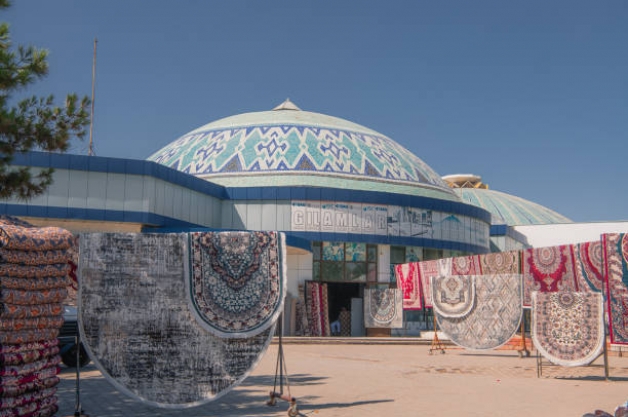
The ancient Chorsu Bazaar in Tashkent is a concentration of the Eastern spirit in the old part of the city, famous for its "bazaar" row, where the characteristic hustle of the East always reigns, and the stalls are filled with colourful goods. The atmosphere of the bazaar is an inseparable part of Uzbek culture. If you are looking for local colour, you should definitely come here — the bazaar will live up to your expectations, starting with the architecture of the vaulted blue domes with national ornaments, echoing the medieval canon in the design of enclosed trading spaces. They not only sheltered merchants from the heat, rain, and cold, but also protected goods from dust. The main bazaar building was built in 1966, after the earthquake. For ease of movement, a lift is provided. Walk along the winding paths and labyrinths of Chorsu — it is like following the chronicles of history.
What is sold at Chorsu?
Chorsu Bazaar in Tashkent opens with the first rays of sunlight — by 6 am the gates are already open for visitors, eagerly used by buyers wishing to purchase the freshest produce, literally "straight from the garden." Here you can also buy ready-made dishes, getting acquainted in this unpretentious way with the traditional dishes of Uzbek cuisine.
Try kurt — a dry white salty delicacy made from a fermented dairy product — a condensed form of kislomolochnogo with the addition of salt. In recent decades, there has been a tendency to introduce new flavour notes — basil and red pepper are added. Kurt has become popular in everyday life as a tasty and nutritious snack. It can be stored for years — indefinitely. Appreciate the taste of homemade sausage made from horse meat — kazy. This popular local delicacy has now become something you can buy here as an ethnic product, or contemporary, or to acquire unique fabrics. This is the best place to stock up on souvenirs and gifts for loved ones — practical handmade items and souvenirs with fragrant spices, nuts, dried fruits and Uzbek sweets: halva, nougat, nuga with pistachios, parvarda, arachis in sugar. A separate pavilion is dedicated to flatbreads — finding it will not be difficult, as the appetising aroma of freshly extracted bread from the tandoor spreads throughout the entire area.
Like all such trading spaces, Chorsu has played an important role in the life of society — decrees were proclaimed here and travelling artists performed. The footfall of the bazaar has not diminished to this day. People come here to stock up on quality products at affordable prices for the week ahead.
Trade in the East is not merely commerce — it is a state of mind, a centuries-old philosophy of human connection. To bargain, to taste, to choose unhurriedly — this is how Uzbeks have always communicated, built trust and welcomed strangers as guests. A visit to Chorsu is not just shopping: it is an immersion in the mentality of the people, the best way to understand who they are and how they see the world. Take your time here.