



Public Holidays of Uzbekistan
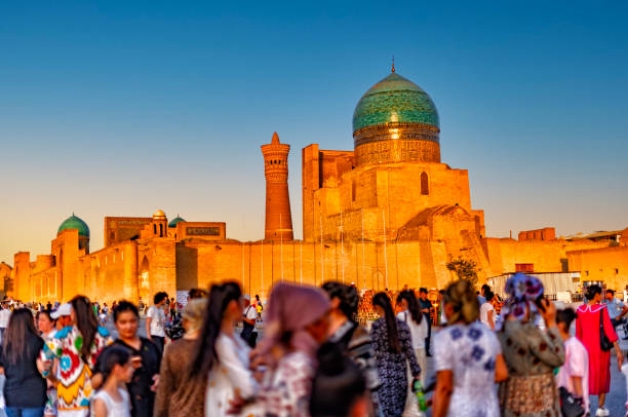
Uzbekistan is like a cultural kaleidoscope: thanks to the country's multi-ethnic makeup, the brightest traditions of different peoples have blended harmoniously here, forming a beautiful festive picture. This unique combination of cultures and religions makes Uzbekistan a special place, where religious and secular holidays, Muslim and Christian customs alike, are observed with equal reverence and joy.
At the start of the year, the people of Uzbekistan make heartfelt wishes on New Year's Eve; in spring, the whole mahalla cooks sumalak together; and later, they treat one another to Easter cakes. This colorful array of holidays offers a glimpse into the soul of Uzbekistan, where each holiday is a thread in the intricate fabric of cultural identity and community spirit.
New Year
Preparations for the New Year begin long before December 31st. The streets are dressed in dazzling lights and bright decorations, creating a festive atmosphere that can be felt in every corner of the country. The main decorations of the holiday are, of course, the beautifully adorned New Year trees, drawing the attention of children and adults alike. Tashkent traditionally becomes the center of the festivities — it is here that the country's main tree rises, drawing crowds from every corner of Uzbekistan and the CIS who come to stroll around it.
Alongside traditional family celebrations, public entertainment plays a major role in Uzbekistan's New Year festivities. Concerts by popular performers, festive fairs, themed theatrical performances, show programs, and many other entertainment events draw crowds across the whole country.
Children, dressed in festive attire, await the arrival of Grandfather Frost (Kor Bobo) and his granddaughter Snow Maiden (Kor Kiz), the Uzbek version of Santa Claus and his helper. On December 31st, fireworks light up the night sky, symbolizing the arrival of new hopes and dreams for the year ahead.
Defenders of the Motherland Day
January 14th is a special date in Uzbekistan. In mid-January each year, Defenders of the Motherland Day is celebrated. This honored holiday commemorates the founding of the Armed Forces of Uzbekistan in 1992.
The day begins with a solemn wreath-laying ceremony at the Independence Monument — a symbolic act of remembrance and honor. Tashkent's central square becomes the heart of national pride; the national anthem plays, and a grand parade showcases the disciplined march of military units to the orchestra's stately melodies.
Defenders of the Motherland Day is a profound expression of respect and gratitude toward those who have served or are serving in the army. Yet the holiday extends beyond military service and applies to every man, since each is regarded as a guardian of the homeland, of his family, and of society as a whole. On this day, January 14th, men receive gifts, congratulations, and recognition for their contributions.
International Women's Day
At the very start of spring, when the trees blossom across Uzbekistan and the entire country seems to become a wonderful canvas painted by a floral artist, the day of the fair half of humanity arrives — International Women's Day. March 8th is a celebration of love, respect, and gratitude toward the women who bring strength and beauty to everyday life.
On this special day, every concert hall in Uzbekistan strives to dazzle with a vibrant, rich program. Shop windows are decorated with floral displays, and restaurants and cafés not only offer delightful shows but also present lovely gifts in honor of the women.
Every gesture, from heartfelt messages to thoughtful presents, is imbued with deep respect and admiration for the women of Uzbekistan. It is a day marked by unity and the collective recognition of the invaluable contribution women make to society.
Navruz
On March 21st, day and night are equal in length, winter steps down, and a new year begins according to the astronomical solar calendar. On this day, Uzbekistan welcomes spring and Navruz with open arms.
Navruz predates the arrival of Islam and was originally tied to sun worship and rituals meant to call upon the heavenly body for fertility and abundance.
On March 21st, homes across Uzbekistan lay out exquisite tables filled with an abundance of traditional dishes. Two dishes take center stage at the celebration — sumalak and khalisa. Khalisa, a hearty mixture of meat and seven grains, is slow-cooked to a porridge-like consistency. To prepare sumalak, sprouted wheat grains are ground and cooked with flour in boiling oil for an entire day in large cauldrons.
More traditions are tied to the preparation of sumalak than to any other dish — for instance, the whole neighborhood community, the mahalla, cooks it together. The cooking is accompanied by dancing, singing, and simple merriment.
After lavish family feasts, the people of Uzbekistan head out into the streets of cities and villages to greet the holiday. On this day, festive fairs and celebrations take place in every corner of the country, with Uzbek performers giving concerts.
Navruz is the favorite holiday of every Uzbekistani. And if you love citywide festivities, where live music plays on your right, dancers in bright costumes twirl on your left, and you find yourself amid elegantly dressed, joyful people — then Navruz may well become your favorite too.
Day of Remembrance and Honors
On May 9th, Uzbekistan observes the Day of Remembrance and Honors — a tribute to the valiant soldiers who gave their lives for the freedom and prosperity of the nation during the Second World War.
Having transformed from a day of mourning into a celebration of courage and resilience, the Day of Remembrance and Honors symbolizes unity and steadfastness in the face of adversity. On this day, the people of Uzbekistan come together to lay flowers and light candles at memorials in honor of the fallen. Communities across the country gather to honor the memory of war veterans, organizing charitable events and themed concerts.
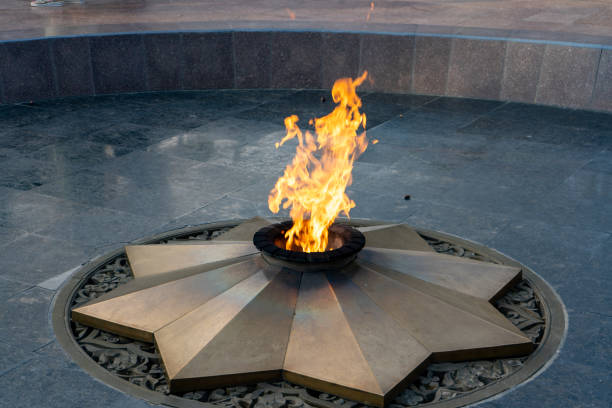
At the heart of the capital lies the Square of Remembrance and Honors, adjoining Independence Square. This memorial, which grew out of the Soviet-era monument to the Unknown Soldier, is now adorned with plaques bearing the names of servicemen who made the ultimate sacrifice for freedom. At the center of the square rises the sculpture "Grieving Mother," before which the Eternal Flame burns as an everlasting tribute.
Ramazan Hayit (Ruza Hayit, Uraza Bayram, Eid al-Fitr)
Ramazan Hayit is an important religious and cultural holiday marking the end of Ramadan, the sacred month of fasting for Muslims. This joyous occasion is deeply honored by the people of Uzbekistan, where tradition, custom, and family play a central role. It is a time to express gratitude, ask for forgiveness, and strengthen community ties.
Preparations for the holiday begin the day before Uraza Bayram. The day before, known as "Arafa," plov and traditional pastries — "kush-tili," "bugirsok," and "chak-chak" — are prepared across the country.
Ramazan Hayit in Uzbekistan begins with a special prayer at the mosque, after which zakat al-fitr (alms) is distributed to those less fortunate. After the prayer, families gather to exchange greetings and gifts and to take part in festive meals.
The date of Ramazan Hayit changes every year, as it is calculated according to the lunar calendar.
Qurban Hayit (Kurban Bayram, Eid al-Adha)
This significant Muslim holiday, observed 70 days after Ramazan Hayit, marks a period of reflection, gratitude, and unity.
Preparations for Qurban Hayit are similar to those for Ramazan Hayit: the day before is devoted to displaying culinary talents. Pastries, baked goods, and festive plov are prepared throughout the country.
The day of Qurban Hayit begins with Hayit-namaz, a special prayer. Before dawn, men perform ablution and gather at mosques to pray, reflect, and seek blessings from the divine. Following the prayer comes the central ritual of Qurban Bayram — the sacrifice of an animal, usually a ram. This act represents the Prophet Ibrahim's willingness to sacrifice his heir in obedience to God, who mercifully replaced the prophet's son with a ram. In Uzbekistan, the meat of the animal is divided into three parts: one third is given to those in need, another third is distributed among friends and relatives, and the last third is kept by the family for preparing festive dishes.
The date of Qurban Hayit changes every year, as it is calculated according to the lunar calendar.
Independence Day
Every year, on the first day of autumn, Uzbekistan celebrates its main holiday — Independence Day.
Independence Day in Uzbekistan is a vibrant blend of events held across the country. Colorful parades fill the streets, showcasing the rich heritage of Uzbek culture. The air resonates with traditional melodies, while the tantalizing aromas of Uzbek cuisine invite people to feast together.
As dusk falls, the celebration reaches its peak with breathtaking fireworks and salutes that paint the night sky in a multitude of colors and shapes, symbolizing a bright future for Uzbekistan. Independence Day is more than just a national holiday; it is a day of unity that reflects the country's unique culture and history.
Teachers' and Mentors' Day
Every resident of Uzbekistan holds deep respect for educators and the older generation. This reverence finds especially vivid expression in the annual celebration of Teachers' and Mentors' Day on October 1st.
This day serves as an important reminder of the crucial role teachers play in shaping the future by molding the minds and hearts of young people. It is a time when the whole country pauses from its daily routine to recognize and celebrate the hard work and dedication of teachers and mentors.
As October 1st approaches, schools and educational institutions across Uzbekistan become centers of festive events for teachers. Award ceremonies honor outstanding educators, while concerts and performances are held to celebrate the art and the role of mentors in every person's life.
Constitution Day
This significant day, observed on December 8th, is dedicated to the adoption of the country's Constitution, which has served as the cornerstone of Uzbekistan's governance and legal framework since 1992. On December 8, 1992, this pivotal document was officially published and came into force, marking a historic moment in the life of the young republic.
Constitution Day is a bright and joyous occasion throughout Uzbekistan, celebrated with a spirit of unity and pride that permeates every corner of the country. Despite the cool winter weather, the atmosphere is warm and festive. In Tashkent, as in other major cities, the day is filled with numerous public celebrations, including concerts, exhibitions, and shows.
What makes the holidays in Uzbekistan truly special is the spirit of unity and inclusiveness that permeates every celebration. Regardless of religious or cultural differences, the people of Uzbekistan come together to honor their traditions, share in joy, and strengthen the bonds of friendship and community. In this multicultural mosaic, diversity is not merely accepted — it is celebrated.