





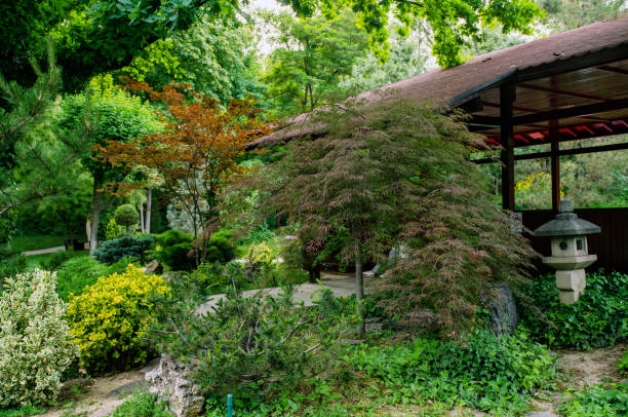
How did a corner of Japanese culture appear in Tashkent?
Address: 107 Amir Temur Street, Yunusabad district (Landmark: Next to Tashkentland Amusement Park)
Phone: +998 71 235 02 50
Hours: 10:00 AM - 7:00 PM.
In 1947, as part of the urban development of what is now Tashkent’s Yunusabad District, a vast open field was transformed into a landscaped park. Japanese prisoners of war played a significant role in this transformation — they dug the Victory Lake and planted trees that would eventually become the foundation of a new green space. This story touched the hearts of many, especially considering the deep reverence that Japanese culture holds for nature. In honour of that legacy, and as a tribute to the creators of this oasis amid the city, the Japanese Garden officially opened on August 25, 2001.
A Tranquil Cultural Landmark
Tashkent’s Japanese Garden is a peaceful, authentic slice of Japanese heritage nestled just outside the city centre, near the national exhibition complex Uzexpocentre. This secluded haven embodies traditional Japanese values and philosophy, expressed through meticulous ecological landscaping. It’s a place to pause, dream, enjoy quiet moments with loved ones, or simply escape the buzz of city life.
Set along a lakeside where swans, ducks, and koi fish glide through the water, the garden offers moments of unexpected magic — sometimes even peacocks wander out to greet visitors and pose for photos.
The Essence of a Japanese Garden
A true Japanese garden must include three elements: water, stone, and plants. Tashkent’s Japanese Garden features all three, along with thoughtfully designed structures and ornaments crafted in traditional Japanese style — where simplicity speaks volumes:
• Pagodas – open gazebos for quiet reflection, solitary rest, or slow, meaningful conversation
• Chashitsu (Tea Houses) – the spiritual heart of the garden. Built with humility and minimalism, these small wooden pavilions draw inspiration from poor mountain huts and temple rooftops. Their rustic design fosters closeness with nature and invites a meditative state. Inside, you’ll find the tools used in a traditional tea ceremony. The only allowed decoration is a single floral arrangement in a tokonoma alcove. The path to the tea house is lined with stepping stones. Entrances are intentionally low, requiring guests to bow as they enter — a symbolic gesture of equality and respect. Shoes must be removed at the threshold.
• Furin – small wind chimes at the tea house entrance, believed to ward off illness and negative energy
• Hashi Bridges – wooden garden bridges that, in Japanese tradition, do not simply cross water but represent a spiritual transition or continuation of the journey
• Tsukubai – a stone basin filled with water for symbolic purification
• Delicate lanterns – paper-shaded and softly glowing, placed near bridges and walking paths
• Bamboo fences – symbols of peaceful seclusion, not isolation
• Sekitei (Rock Garden) – a sacred space following the 14th-century Japanese tradition of stone compositions. The number of stones usually adds up to three — symbolising the Buddhist triad. Varying in size, the stones reflect the diversity of life, and concentric patterns are raked into the sand around them.
Every element of the garden showcases the precision and care so deeply rooted in Japanese aesthetics. Trimmed shrubs, manicured lawns, and flawless cleanliness reflect the idea that external order creates internal harmony — a cornerstone of Japanese culture.
A Living Meditation
This garden isn’t just for sightseeing. To truly connect with its spirit, slow down. Observe the details. Let go of worries. Through this, you’ll start to understand the quiet depth of Japanese philosophy that lies behind these elegant symbols.
The garden is also a popular backdrop for wedding photoshoots thanks to its elegance, charm, and timeless beauty.
Come to Tashkent’s Japanese Garden to recharge, relax in the open air, and immerse yourself in a serene blend of nature and Eastern design. From the soft rustling of trees to the colours of flowers and the graceful movement of birds, every step is meant to draw you deeper into a contemplative mood, away from the distractions of everyday life.
Note:
To preserve the peaceful atmosphere, there are no food or beverage stalls inside the garden — bring your water.
Admission:
Free for children under 3.
50% discount for seniors.