




Tashkent Metro, Uzbekistan
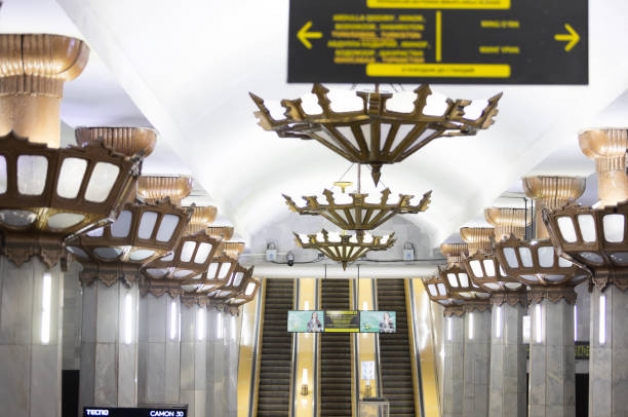
The Tashkent Metro is one of the most beautiful in the former USSR — an embodiment of Eastern luxury, which is why it has rightfully become one of the city's most visited attractions. It was the first to appear in Uzbekistan in 1977 — the second in neighbouring Kazakhstan was built only in 2011. It is the most beloved form of public transport for both residents and guests of the capital: even during the summer heat, you can escape the warmth here, and in winter, from the cold, thanks to the air conditioning system.
The impressive decorative interiors of the first two lines, the unique styling of each station and the beauty of their designs are a source of pride for Uzbekistan — pride that residents continue to feel regardless of the years that pass. The gleam of coloured marble, the cold glitter of granite, the lush columns, the bas-reliefs you want to study closely, the soaring stucco moulding and woodcarvings on ganch, and the bionic design. It seems the spirit of the past still lives here, and memories of former times are carried on the refreshing breezes.
Construction of the Tashkent Metro began in 1968 as part of the city's restoration programme following the devastating earthquake, with seismic requirements in mind. Experienced specialists were brought in from Moscow and Leningrad, and the tunnel construction equipment came from Siberia. During the laying of the tunnels, builders encountered an unprecedented challenge — groundwater. To get around it, the tunnel line was laid unevenly, periodically raised or lowered, yet overall, the Tashkent Metro is considered a fine example of shallow construction.
Tashkent Metro: Lines and Stations
The first metro line — Chilanzar — connected the new districts of the city with the centre when the capital became a city of one million.
Mustakillik Maydoni station, located on this line, leads directly to the eponymous attraction — Independence Square — situated in the central part of the city. The ceremonial opening of the metro took place at this station, which was located beneath government buildings. The entrance bronze bas-relief was created by the renowned Soviet sculptor Yakov Shapiro. After Uzbekistan gained independence, the figure of Lenin on the bas-relief was replaced with an image of musicians. The large-scale composition bears the inscription uniting diverse elements into one: "The appearance of the renaissance of Uzbekistan is a symbol of the indestructible friendship of peoples." The architectural design creates a festive atmosphere.
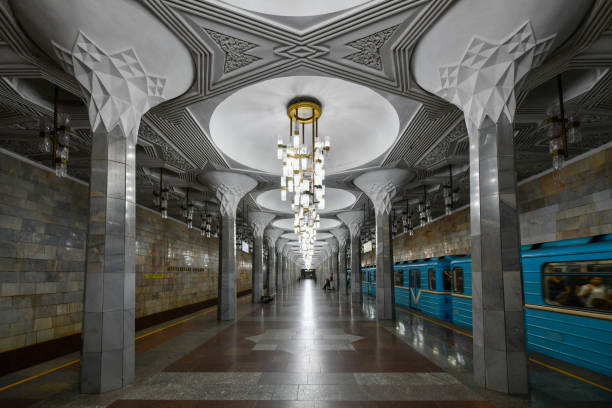
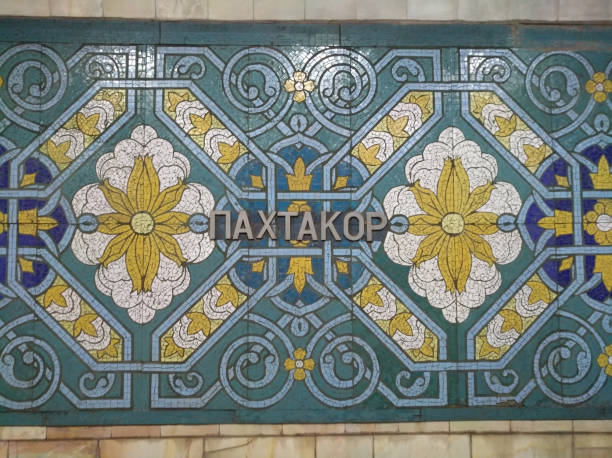
The name of Pakhtakor station translates as "cotton grower." Fluffy white cotton bolls are one of the symbols of Uzbekistan, frequently appearing in architecture — the fountain at the Navoi Grand Theatre building serves as one example. It is customary to decorate everyday objects with them too — the blue-and-white cotton "Pakhta" patterns adorn colourful tea sets, popular with tourists as memorable souvenirs.
In 1991 the construction of the second line — Uzbekistanskaya — was completed, connecting the centre with the old city.
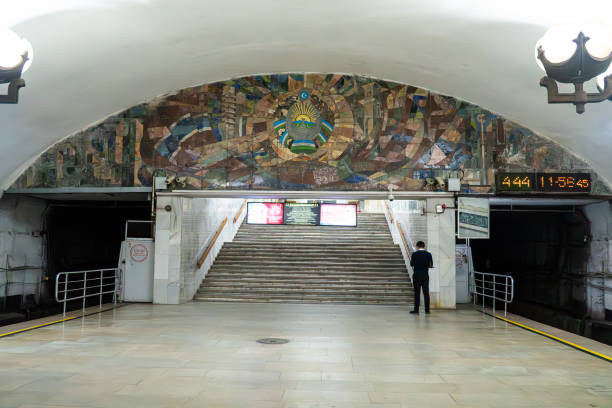
Uzbekistanskaya metro station is distinguished by a panel of Florentine mosaic made from coloured stones. It is considered a masterpiece of stone-cutting art and is known as the "stone painting." At the centre of the composition was formerly the coat of arms of the Uzbek SSR; after 1991 it was replaced with the coat of arms of Uzbekistan. The work belongs to artist Bukharbayev Abdumаlik, who also contributed to the creation of the appearance of the Palace of Friendship of Peoples.
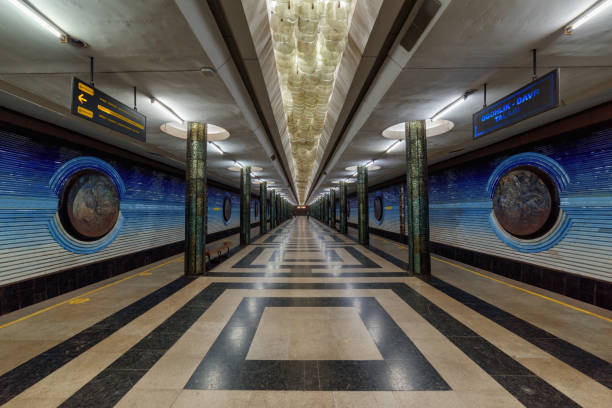
Kosmonavtlar metro station represents a magnificent combination of futuristic motifs and contemporary design. Upon entering, guests are met with a stunning interpretation of the space theme, accentuated by columns of three-dimensional figured glass.
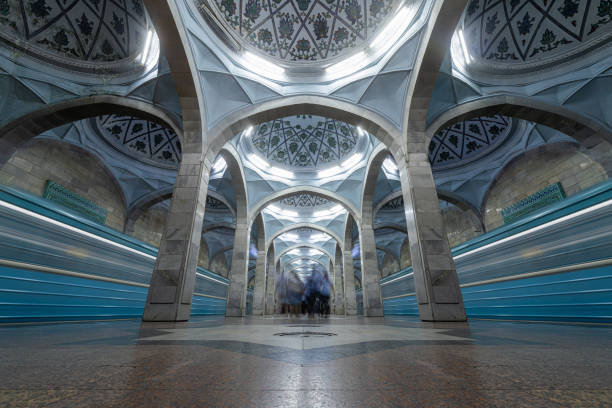
Alisher Navoi metro station is dedicated to the revered poet who made an invaluable contribution to the development of the Uzbek language and literature. The station's design reflects the historical era to which the figure belonged — it refers to his works and is decorated with characteristic symbols of the East — ornaments, accentuated by pale blue on light marble and arches with domes.
In 2001 the third line — Yunusabad — was opened, running through the centre to a densely populated district. Length — 7.6 km, 8 stations. Between Badamzar and Shahrisabz stations stretches an open metro bridge over a water canal.
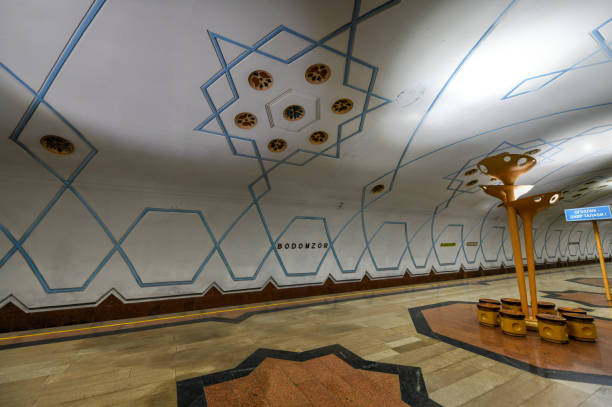
Bodomzor metro station is named after the almond groves for which this area was once famous. Its trees inspired the design. The station opened in 2001. Its exits lead to such frequently visited attractions as Uzekspocentre, the Japanese Garden, Tashkentland and the Mövenpick Hotel Tashkent, which is why the station is always busy.
The fourth line — Thirty Years of Independence — is entirely above ground, with three storeys. Construction began on 1 October 2017 from Dustlik station on the Uzbekistanskaya line to the Kuilyuk market. It consists of 19 stations, the first of which is called Technopark; the transfer to it is at the terminal station Dustlik. Unlike its predecessors, there is no décor here, but the platform section of the stations is covered with panoramic glazing and filled with sunlight. Passengers are greeted by a congratulatory sign from Uzbekistan's President Shavkat Mirziyoyev.
An undoubted advantage of the above-ground line is the opportunity to observe the life of locals, all the more so as it runs not only along multi-storey buildings but also along authentic mahallas.
The fifth line — Sergeli — an above-ground line launched on 26 December 2020. It consists of 5 two-level stations and connects with the Chilanzar line via Olmazor station. Bekat-4 (Afrosiab) station is decorated with two panels depicting the Old City.
The current total length of all lines is 70.8 kilometres, second only to Moscow and St. Petersburg among CIS cities, sharing third place with Kiev. The lower passenger flow compared to those cities ensures comfortable travel in all directions.
The total number of stations is 50. Train frequencies differ on each line. At peak hours on the busiest Chilanzar line, waiting times are 2 minutes, 4 minutes on the Uzbekistanskaya, 5 minutes on the Yunusabad and 8 minutes on the fourth and fifth above-ground lines.
From 1 June 2018, photography and video recording have been officially permitted in the Tashkent Metro — something bloggers make great use of with pleasure.